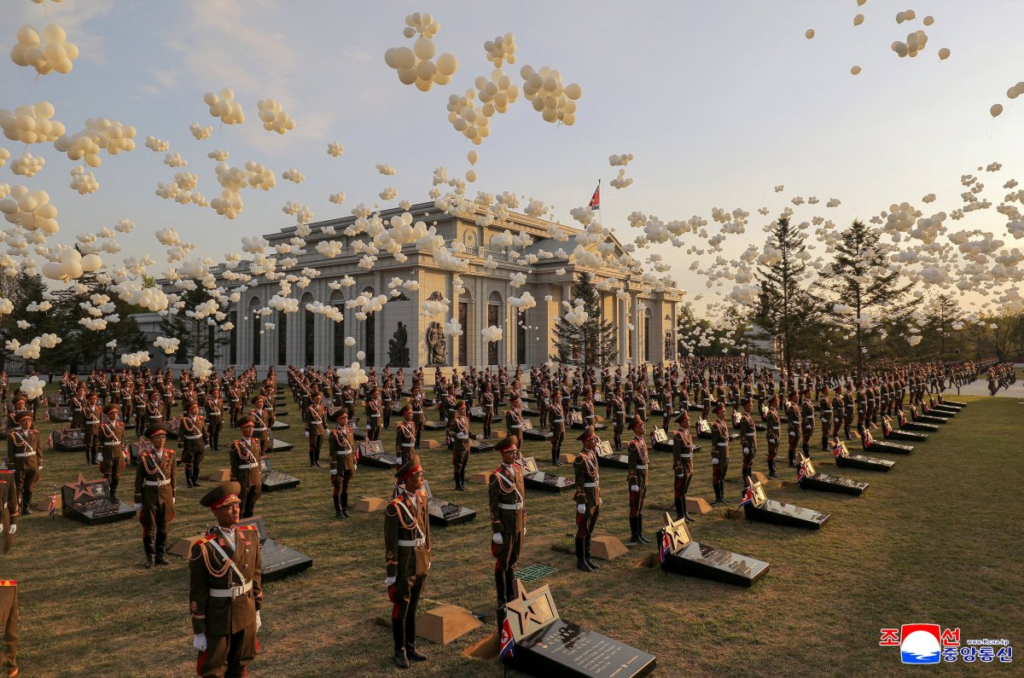
A quiet but significant shift in Pyongyang’s narrative control has emerged: North Korea has opened a museum dedicated to troops killed while supporting Russian military operations. This move breaks from decades of silence on overseas deployments, offering both a propaganda tool and a glimpse into deepening military ties between two isolated regimes. The museum doesn’t just memorialize the dead—it signals strategic alignment, domestic messaging, and a calculated evolution in how the regime manages sacrifice and loyalty.
For years, speculation swirled about North Korean involvement in Ukraine, from supplying artillery to possibly deploying combat personnel. Now, with the museum’s unveiling, the state has moved from denial to commemoration. This isn’t just about honoring the fallen—it’s about shaping perception, domestically and internationally, at a time when North Korea needs Russia more than ever.
A Departure from Secrecy: Why This Museum Matters
North Korea has historically avoided acknowledging battlefield deaths outside its borders. Even during the Vietnam War, when hundreds of pilots reportedly fought alongside North Vietnamese forces, there was no official recognition. The sudden openness around combat deaths in support of Russia marks a dramatic reversal.
The museum, located in a restricted area near Pyongyang and accessible only to state-approved groups, features personal effects, battlefield photos, and state-narrated timelines of the soldiers’ service. Some items appear altered or staged—uniforms without identifying marks, blurred faces—hinting at the regime’s selective truth-telling.
This shift suggests several strategic objectives:
- Legitimizing foreign combat: By reframing participation as heroic sacrifice, the regime reduces the risk of backlash if more troops are sent.
- Rewarding elite families: Families of the deceased may receive enhanced privileges, reinforcing loyalty among the military elite.
- Strengthening the Russia alliance: Public commemoration signals long-term commitment, encouraging deeper military and economic cooperation.
It’s not mourning—it’s messaging.
The Soldiers’ Role: What We Know About North Korean Involvement
While details remain scarce, intelligence reports from South Korea and the U.S. suggest North Korean personnel have been involved in Ukraine in multiple capacities:
- Artillery crews: Operating North-supplied 152mm howitzers and rocket systems.
- Drone technicians: Supporting Russia’s expanding use of Iranian-designed drones with North Korean modifications.
- Combat engineers: Deployed in frontline zones for fortification and logistics.
- Special forces units: Possibly embedded with Russian Spetsnaz in reconnaissance missions.
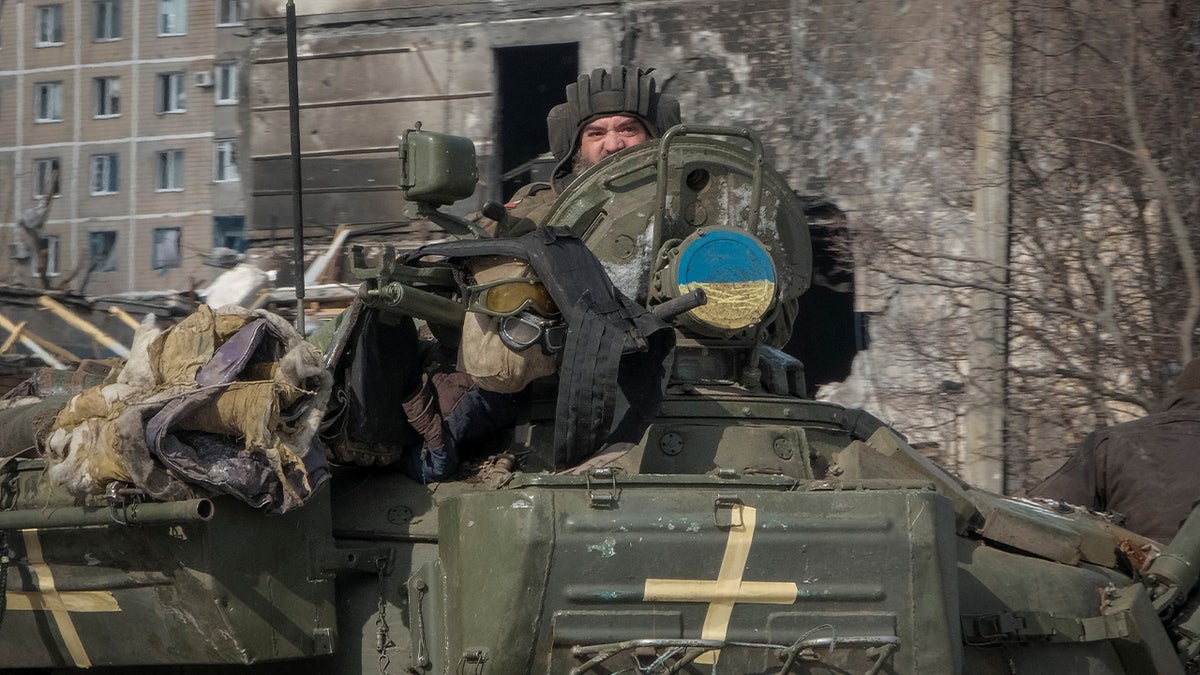
Estimates suggest several hundred North Koreans have served in Ukraine since 2023, with dozens killed. The museum appears to honor a subset of these—those deemed ideologically reliable and from trusted military families.
One defector familiar with the Reconnaissance General Bureau (RGB), North Korea’s primary external operations unit, claimed that volunteers were promised double rations, housing upgrades, and preferential treatment for their children. But the offer came with a warning: “If you speak of this mission, your family vanishes.”
Propaganda Mechanics: How the Museum Shapes Narrative
The museum isn’t a neutral archive. It’s a tightly controlled narrative device. Every exhibit serves the state’s broader goals: loyalty, sacrifice, and anti-Western unity.
Key features include:
- “Volunteer Martyrs” Hall: Portrays soldiers as patriotic volunteers defending “global socialism” against NATO aggression.
- Interactive War Maps: Depict Russian advances with North Korean units “turning the tide” in key battles—despite no verifiable evidence.
- Children’s Education Wing: School groups tour the site, where guides emphasize the “imperialist threat” and the need for eternal vigilance.
Photographs show soldiers smiling in camouflaged gear, holding Russian flags alongside North Korean ones—symbolizing unity. But no images show combat, casualties, or wreckage, carefully avoiding any sense of failure or futility.
This curated storytelling mirrors past campaigns, such as the “Victory Museum” glorifying the Korean War. But unlike earlier efforts, this one references active, ongoing foreign conflict—a dangerous precedent in a regime that thrives on isolation.
Geopolitical Implications: North Korea’s Growing Ties with Russia
The museum’s opening coincides with increased military collaboration. Satellite imagery from 2024 shows North Korean railcars transporting artillery shells to Russia’s Far East. In return, Pyongyang has received satellite technology, fuel, and advanced radar systems.
Analysts see this as a symbiotic survival pact:
- Russia gains munitions and manpower flexibility amid its own production limits.
- North Korea gains access to technology and diplomatic backing in international forums.
But deeper integration carries risks. If Western intelligence confirms battlefield deaths, it could trigger sanctions on entities involved in repatriating remains or funding memorials. The museum itself may become a target of digital sanctions or cyberattacks.
More importantly, public acknowledgment of combat deaths could spark unrest—however remote—in a society where information control is absolute. The regime is gambling that glorification will outweigh grief.
Domestic Reactions: Silence, Control, and the Illusion of Unity
There is no public dissent in North Korea—but silence doesn’t mean consensus. The regime has launched a media blitz across state TV, newspapers, and internal briefings to pre-empt questions.
Families of the fallen are reportedly confined to military compounds during memorial events, their movements monitored. Some are given medals and small stipends. Others disappear from public records.
A Seoul-based NGO that interviews defectors reported that one former officer’s wife was told her husband “died in a training accident” before the museum announcement. Only then was she informed—officially—that he died in Ukraine.

This delayed, controlled disclosure reveals the regime’s fear of unmanaged emotion. By centralizing the narrative in a museum, the state ensures only one version of the truth exists.
Historical Precedent: When Dictatorships Memorialize Foreign Fighters
North Korea is not the first authoritarian state to commemorate troops lost abroad. Historical parallels offer insight:
- Soviet Union in Afghanistan (1979–1989): Initially denied combat deaths; later built memorials only after withdrawal.
- Iran in Syria: Operates museums honoring "martyred" Revolutionary Guards, using them to justify regional involvement.
- Cuba in Angola: Feted internationalist fighters as heroes, linking their sacrifice to anti-imperialist ideology.
What sets North Korea apart is the timing. Unlike the Soviets, who memorialized losses after the war, Pyongyang is doing so mid-conflict. That suggests either high confidence in Russian victory—or escalating dependence on the alliance.
It also indicates a shift in how the regime views its role: no longer just a hermit kingdom, but a player in a broader anti-Western coalition.
What This Means for the Future: More Troops, More Risk
The museum is likely just the beginning. If Russia’s war in Ukraine drags on, North Korea may send more personnel—possibly conscripts disguised as volunteers.
Potential escalation paths include:
- Expanded drone warfare teams: North Korean engineers already assist in assembling and modifying drones in Crimea.
- Cyber warfare collaboration: Joint operations targeting Ukrainian and NATO infrastructure.
- Direct combat units: Small, deniable squads deployed in high-risk reconnaissance.
With each step, the risk of exposure grows. A single soldier captured on video, speaking in Korean on a Ukrainian battlefield, could trigger a diplomatic firestorm.
Yet Pyongyang appears to calculate that the benefits—sanctions relief, military tech, political cover—outweigh the dangers. The museum reinforces that bet, turning battlefield death into state-sanctioned virtue.
Conclusion: A Memorial With a Mission
North Korea’s new museum is not about remembrance—it’s about reinforcement. It solidifies a dangerous new precedent: the public acknowledgment of foreign combat, glorified through state propaganda. By honoring troops killed while supporting Russia, Pyongyang sends a message to its people, its allies, and its enemies.
This is not an act of mourning. It’s a strategic investment in loyalty, alliance, and long-term survival. As the war in Ukraine continues, and as North Korea deepens its ties with Moscow, expect more symbols like this—carefully crafted, tightly controlled, and loaded with meaning.
For analysts and policymakers, the museum should serve as a warning: the North Korea-Russia axis is no longer just logistical. It’s operational, personal, and increasingly public.
Actionable insight: Monitor North Korean state media for shifts in how the museum is portrayed—increased coverage may signal future troop deployments. Simultaneously, track Russian procurement patterns for evidence of expanded North Korean involvement beyond artillery and drones.
FAQ
What should you look for in North Korea Opens Museum for Troops Killed Supporting Russia? Focus on relevance, practical value, and how well the solution matches real user intent.
Is North Korea Opens Museum for Troops Killed Supporting Russia suitable for beginners? That depends on the workflow, but a clear step-by-step approach usually makes it easier to start.
How do you compare options around North Korea Opens Museum for Troops Killed Supporting Russia? Compare features, trust signals, limitations, pricing, and ease of implementation.
What mistakes should you avoid? Avoid generic choices, weak validation, and decisions based only on marketing claims.
What is the next best step? Shortlist the most relevant options, validate them quickly, and refine from real-world results.